MemoHoney Official Website › Journal › A Capsule Is a Volume
MemoHoney Capsules: A Capsule Is a Volume, Not a Dose
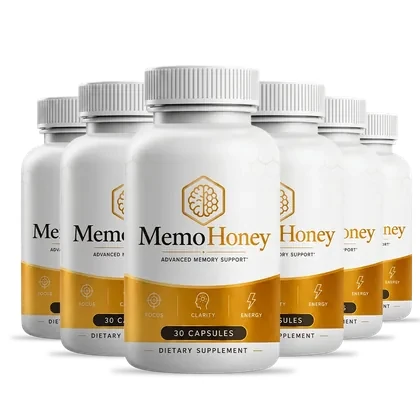
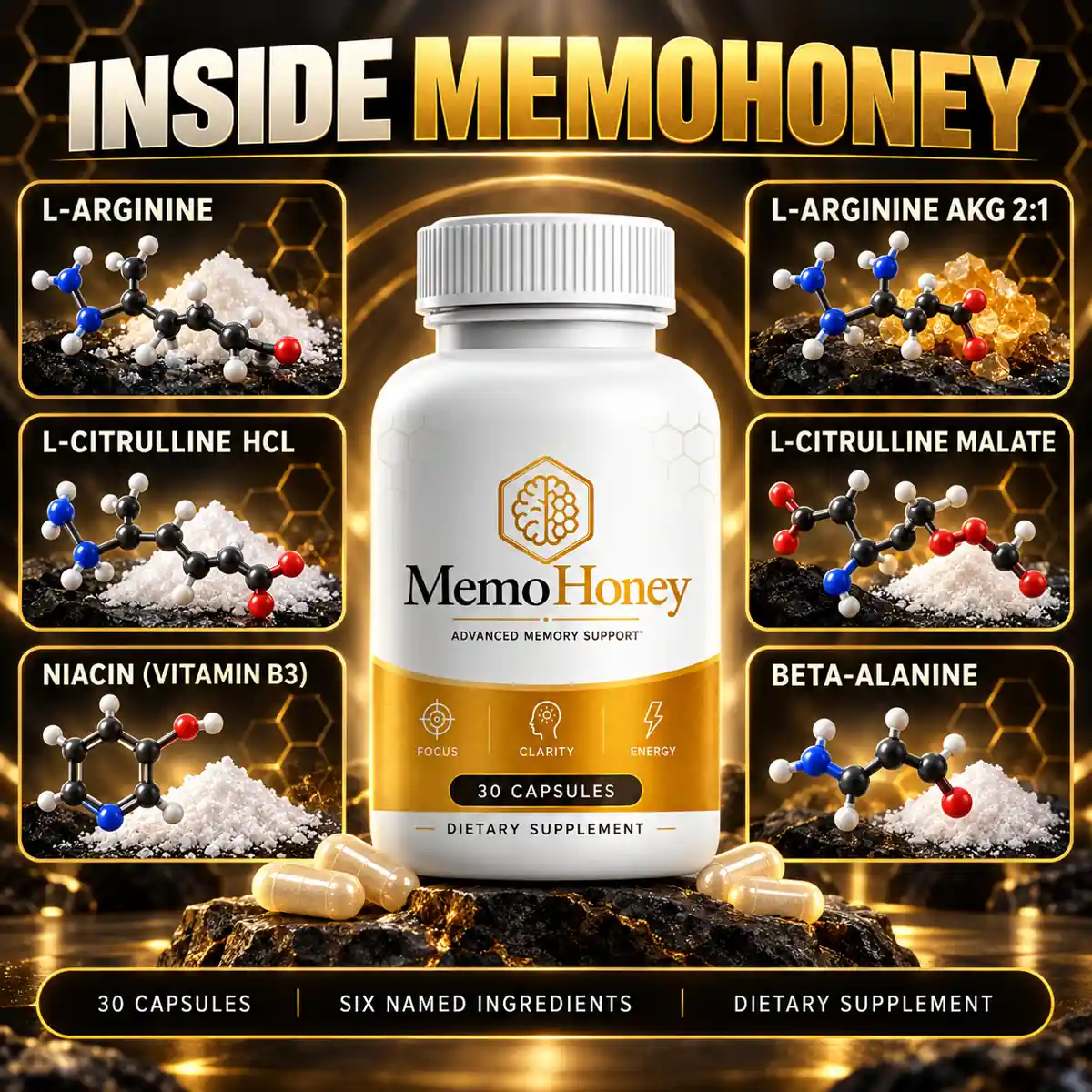
MemoHoney capsules are vegetable capsules, 30 to a bottle, taken one a day with a glass of water, best in the morning before a meal. Each capsule names six actives: two forms of arginine, two of citrulline, niacin and beta-alanine, with no milligram amount printed for any of them. A size 0 capsule holds about half a gram of powder, while the amino acid trials behind this shelf ran at four to twelve grams a day.
How much a capsule physically holds
Hard capsules come in standard sizes, and the sizes are volumes rather than weights. How much powder a given shell holds depends on the density of what goes in it, which is why a capsule of chalky mineral salt weighs more than the same shell filled with a fluffy botanical extract.
For free-form amino acids, which is what most of this category uses, the working figures are well established among people who fill capsules for a living. A size 0 takes roughly half a gram. A size 00, which is noticeably larger and about as much as most people will swallow every morning without complaint, takes something closer to eight tenths of a gram. A size 000 exists and is the size people describe as horse-sized.
| Shell size | Typical fill of amino acid powder | How it feels to swallow |
|---|---|---|
| Size 1 | about 400 mg | Small, easy, rarely used for a multi-ingredient blend |
| Size 0 | about 500 mg | The commonest choice for a six-ingredient daily capsule |
| Size 00 | about 800 mg | Large, and the practical ceiling for daily use |
| Size 000 | about 1,100 mg | Rarely sold to consumers for good reason |
Approximate fill weights for free-form amino acid powders. Denser materials go higher and fluffier extracts go lower.
Those numbers are the ceiling on everything else in this article. A capsule cannot hold more than its volume, no marketing can change that, and a product selling a once-daily capsule has told you its own maximum before it has told you anything else.
What the trials actually used
Now the other column. These are not estimates or extrapolations; each is the daily amount used in a published study, taken from that study's own report.
For L-arginine, the 2022 dose-response meta-analysis of randomised trials found blood pressure moved at four grams a day and above, with nothing further gained beyond nine (the 2022 dose-response meta-analysis). For L-citrulline, the crossover study that established its advantage over arginine used three grams twice a day, and the lower arm did not shift the marker (the 2008 pharmacokinetic study). For arginine alpha-ketoglutarate, the one properly conducted trial gave trained men four grams three times a day — twelve grams in total (the arginine AKG trial). For beta-alanine, its own sports nutrition position stand describes four to six grams a day for at least four weeks (the sports nutrition position stand).
- L-arginine: 4,000 mg a day and upward (the 2022 dose-response meta-analysis)
- L-arginine AKG: 12,000 mg a day (the arginine AKG trial)
- L-citrulline: 6,000 mg a day, split into two doses (the 2008 pharmacokinetic study)
- Citrulline malate: 8,000 mg in a single pre-exercise dose
- Beta-alanine: 4,000–6,000 mg a day for four weeks (the sports nutrition position stand)
Read that list once and the scale of the problem is obvious. Every figure is measured in grams, and four of the five are several grams. These are scoop-sized amounts, sold in tubs, because a tub is the only container that holds them.
Putting the two numbers side by side
| Compound | Trial dose a day | As a share of a full size 00 capsule |
|---|---|---|
| L-arginine | 4,000 mg | Five capsules, if the capsule held nothing else |
| L-arginine AKG | 12,000 mg | Fifteen capsules of nothing else |
| L-citrulline | 6,000 mg | Seven and a half capsules of nothing else |
| Citrulline malate | 8,000 mg | Ten capsules of nothing else |
| Beta-alanine | 4,000–6,000 mg | Five to eight capsules of nothing else |
| Niacin | 14–35 mg | Four per cent of one capsule |
The right-hand column assumes a size 00 shell filled entirely with that single ingredient, which no multi-ingredient product does.
The middle column is the published research. The right-hand column is division. Between them they say something no label can contradict: a single daily capsule containing five amino acids cannot be delivering any of them at the amount somebody studied.
Note that this is not an accusation about any particular product, and it does not depend on knowing what is in one. It is arithmetic about containers, and it applies equally to every once-daily amino acid capsule on the shelf, including generous ones.
There is a real commercial logic and it is worth understanding rather than sneering at. A tub of powder gets weighed out for nine days and then sits in a cupboard; a capsule beside the kettle gets taken for two months. Adherence is the single biggest determinant of whether anybody gets anything from any supplement, and the capsule wins that contest by a mile. The honest way to sell one is to say so, rather than to imply a trial dose that the format makes impossible.
Read the MemoHoney label with this arithmetic in hand
Six named actives, one capsule a day, and an ingredients page that works through exactly this calculation rather than stepping around it.
Two bottles $158 · six bottles $294 · 60-day money-back guarantee
Order MemoHoney On The Official WebsiteOne capsule a day · 30 per bottle · lot MEM-26/ME-1612
The ingredients where a capsule is plenty
This argument has genuine exceptions and leaving them out would be as misleading as the marketing it criticises. Vitamins and minerals work at milligram and microgram scale by definition, and a capsule carries them comfortably.
Niacin is the example that matters here. An adult needs fourteen to sixteen milligrams a day, and the tolerable upper intake level for the added form is thirty-five (the NIH Office of Dietary Supplements niacin fact sheet). A single capsule can hold several times an adult's requirement without using one per cent of its volume. The same is true of vitamin B12, where the requirement is measured in micrograms.
- B vitamins: requirements in milligrams or micrograms. A capsule is ample.
- Minerals in chelated form: tens of milligrams. Comfortable.
- Standardised botanical extracts: often 100–300 mg at the researched dose, which fits.
- Free-form amino acids: grams. A capsule cannot do it.
- Protein or creatine: tens of grams. Not even a conversation.
So the useful version of the rule is narrower than "capsules are weak". It is this: if the trial dose is measured in grams and the product is one capsule a day, the format has already decided the answer. If the trial dose is measured in milligrams, the format is fine and the question moves on to what the label actually says.
What this means when you read a label
The practical upshot is a two-step habit that takes about a minute and eliminates most of this shelf.
Step one: look at the format. One capsule, two capsules, a scoop. That tells you the ceiling before you read a single ingredient name. Step two: for each named ingredient, find the trial dose. If it is in grams and the format is a capsule, no amount of label reading will rescue it.
- Read the serving size first, not the ingredient list.
- Convert the serving into a plausible total weight using the table above.
- Look up the trial dose for the two or three ingredients you actually care about.
- Compare. If the ratio is worse than about one to five, the format is the problem rather than the brand.
- Only then start comparing one label against another.
- A capsule is a volume, and a volume is a ceiling no marketing can raise.
- Grams on the research side and a capsule on the product side is a mismatch you can see without any laboratory.
- Vitamins are the honest exception, because they were always a milligram business.
Applying it to the capsule this website sells
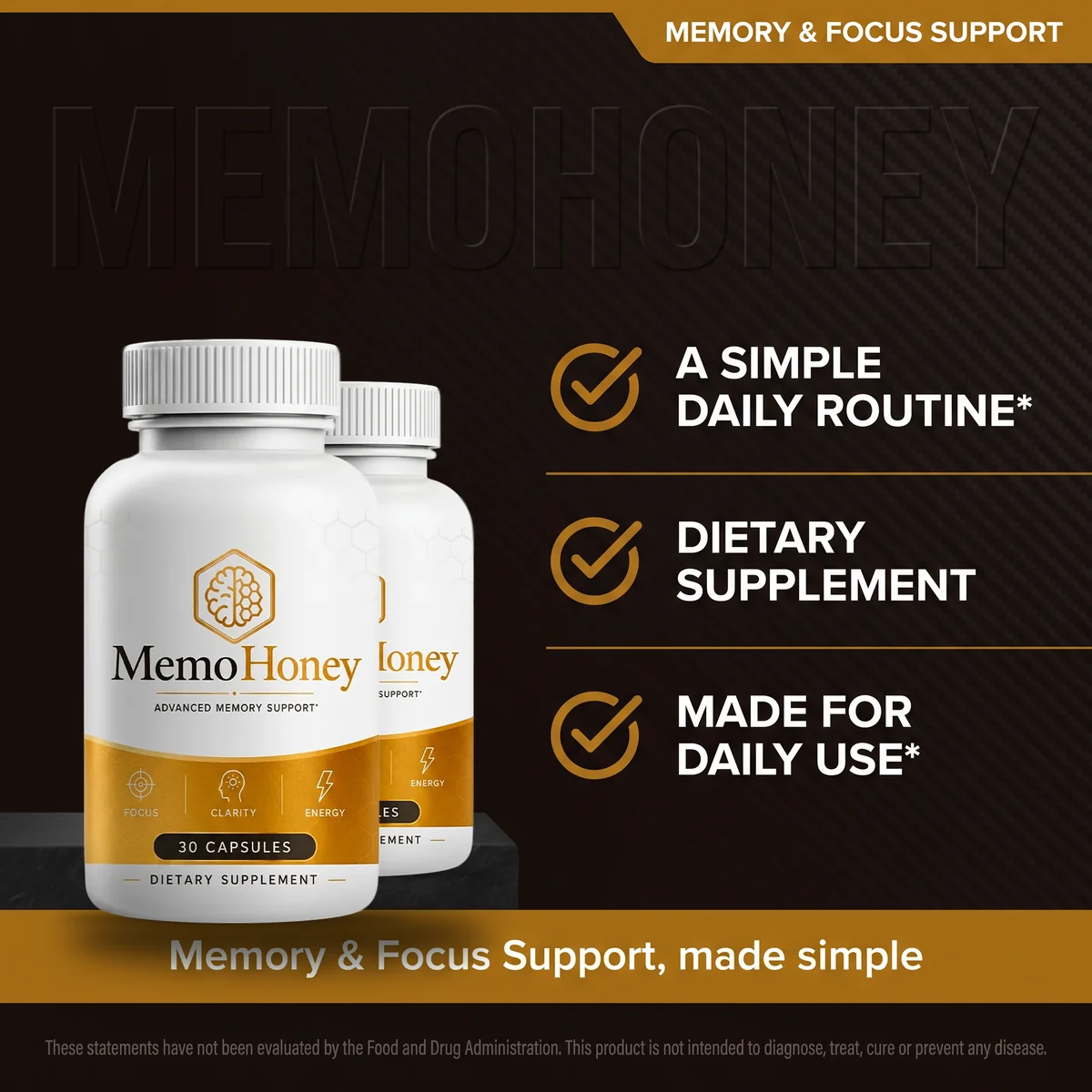
It would be strange to publish this argument and then exempt the product beside it, so: MemoHoney is a once-daily capsule naming six actives, five of which are amino acids whose trials ran at gram doses. The label carries no amount for any of the six.
Everything above applies to it without modification. Whatever the undisclosed split between six rows turns out to be, the total is under a gram, and no arrangement of that total reaches four grams of anything. The one row where a capsule is genuinely adequate is the niacin.
That is set out at more length, with the trial doses beside each ingredient, on the MemoHoney ingredients page, and it is why this desk describes the product as a well-made daily habit rather than as a delivery system for researched amounts. Both of those can be true at once, and a reader deciding between convenience and dose should get to make that trade knowingly.
MemoHoney is a dietary supplement for healthy adults aged 18 and over. It has no FDA approval and is not intended to diagnose, treat, cure or prevent any disease. Nothing in this article is medical advice, and capsule fill weights are general figures for the format rather than measurements of any particular product.
References
- Shiraseb et al, Adv Nutr 2022, vol. 13(4):1226-1242: Effect of l-Arginine Supplementation on Blood Pressure in Adults: A Systematic Review and Dose-Response Meta-analysis of Randomized Clinical Trials (PMID 34967840) https://pubmed.ncbi.nlm.nih.gov/34967840/
- Schwedhelm et al, Br J Clin Pharmacol 2008, vol. 65(1):51-9: Pharmacokinetic and pharmacodynamic properties of oral L-citrulline and L-arginine: impact on nitric oxide metabolism (PMID 17662090) https://pubmed.ncbi.nlm.nih.gov/17662090/
- Campbell et al, Nutrition 2006, vol. 22(9):872-81: Pharmacokinetics, safety, and effects on exercise performance of L-arginine alpha-ketoglutarate in trained adult men (PMID 16928472) https://pubmed.ncbi.nlm.nih.gov/16928472/
- Trexler et al, J Int Soc Sports Nutr 2015, vol. 12:30: International society of sports nutrition position stand: Beta-Alanine (PMID 26175657) https://pubmed.ncbi.nlm.nih.gov/26175657/
- Niacin: Fact Sheet for Health Professionals, published online by the Office of Dietary Supplements, National Institutes of Health https://ods.od.nih.gov/factsheets/Niacin-HealthProfessional/